Don't guess, just listen
Know your buyer.
Ship the ad today.
AlsterAds researches who actually buys your products, then writes, directs and renders the ads for them: realistic presenters, multi-shot video, statics and native, with the ad library and competitor tracking beside them. One platform, a fraction of the time.
From $59/mo · cancel anytime · every run priced on screen before it runs
“looks nice but will this snap in a month too, that's all I want to know”
2★ review · found by the research · example
becomes a persona
Persona · example
The one who got burned last timethe persona writes the ad
this one opens on her exact words · every ad is written for someone specific
Made in AlsterAds
Every ad here knows who it's talking to.
Clips rendered in AlsterAds. Each was written for a researched persona. Some open on the buyer's exact words; all of them talk to someone specific.
The old way
The research happens last.
In the ad account, with your money.
Guess the angle in a brief
Someone on the team decides what buyers care about. Nobody asked a buyer.
Book creators, ship product, wait
Then edit, caption and resize per placement, in four more tools.
Launch, then learn the angle was wrong
The first honest signal arrives as a CPA you paid for.
AlsterAds is the whole run in one place: research, script, direction, presenters, video, statics, native, with the ad library and competitor tracking beside them. A fraction of the time.
How it works
Your brand's URL, once.
The research does the rest.
No brief, no shoot day, no handoff. AlsterAds pulls your brand, researches each product's buyers, and hands you ads that come filled out. Every step is priced in credits, shown on screen before it runs.
- 01
Paste your brand's URL, once
AlsterAds pulls your products, logo, colours and brand DNA. Every product is ready to research.
brand set up once - 02
Run the research on a product
Five to seven buyer groups. Threads, reviews and forums read with their comments. It finds every reason someone might want the product, including the ones you never thought of.
60–70 credits · priced before it runs - 03
Buyer groups come back, in depth
Each persona with who they are, triggers, objections, the proof they want and the angles that fit. Not the obvious customer only.
included in the run - 04
Everything comes filled out
Script, shots, camera, voice and copy, chosen by the creative director for that persona. Change anything, or nothing. Then render.
images from 3 credits · talking clips from 40
5 sources read with their comments · quotes kept verbatim · 5–7 buyer groups found · example
The one who got burned last time
will this snap in a month too
The gift buyer with one weekend
need it by Friday
The upgrader who already owns two
what does this do that mine doesn't
5 buyer groups returned · 2 you hadn't thought of · each with quotes, objections and angles
What a research run returns
Your buyers already said it.
We find where.
Before a word is written, AlsterAds reads real discussions and reviews around products like yours. It finds every reason someone might want the product, including buyers you never thought of, and returns each group in depth: quoted, not paraphrased, with the angle it needs.
Quoted, not paraphrased
Pains, triggers and objections kept in the buyer's words, so the hook can be one they already said.
Buyers you never thought of
Every run starts from five to seven hypotheses, so it returns groups you would never have briefed: the gift buyer, the upgrader, the one replacing a failure.
A full profile, not a label
Who they are, pains, situation, objections, buying triggers, the language they use. Every builder reads it.
The output
Realistic presenters.
Cuts that hold together.
Super-realistic presenters with natural delivery. Multi-shot ads that keep the same person, face and energy across every cut. The best engine for each format is picked for you. It's all baked into the builders.

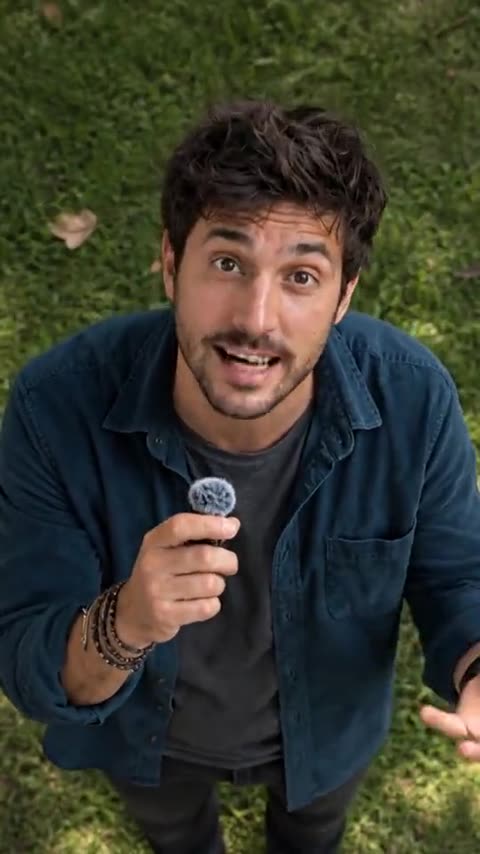
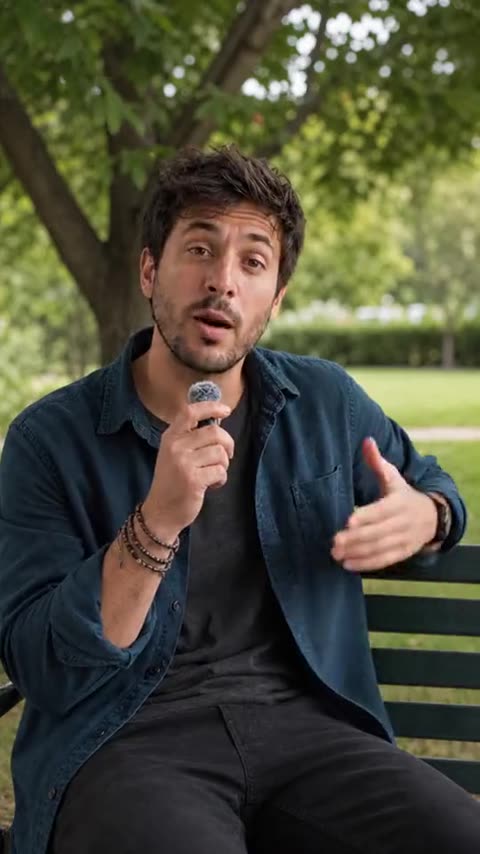
Picked per format, automatically
You never pick an engine. The builder picks the right one for the format and your plan.
Cast once, keep them. The same face and energy across scenes, angles and cuts.
US and UK English, four Spanish accents, German, French, Italian, two Portuguese, Dutch. Spoken, not dubbed.
The persona's line on screen, styled to the placement.
Talking clips in 9:16 or 16:9. Statics in 1:1, 4:5 and 9:16 from one batch.
Directed for you
The creative director fills it in.
You can change anything.
Script, shots, camera angles, movement, voice and copy come chosen for the persona. Edit nothing, or everything. The clip below changes with your choices.
Or tweak it
Scene
Camera angle
Voice
Language and accent
The direction the engine receives
priced before it runs · from 40 credits per 8-second clip · every clip keeps the same presenter
the clip swaps with the scene · example takes
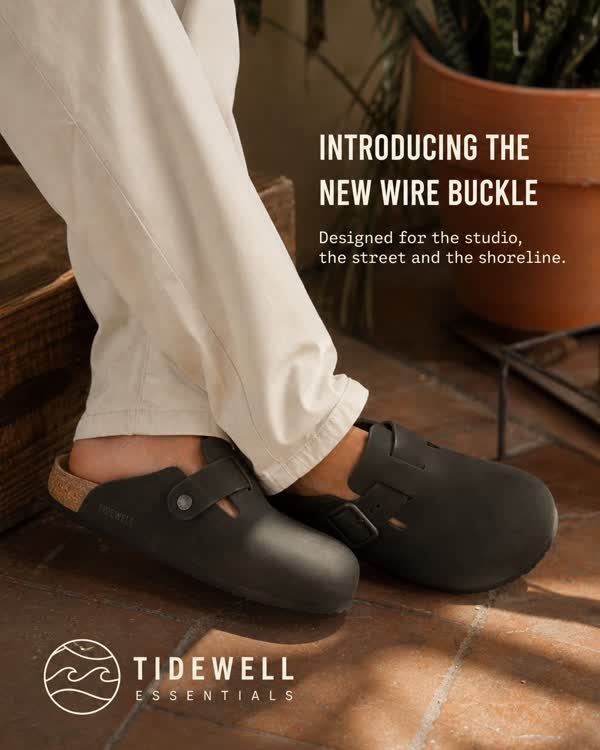
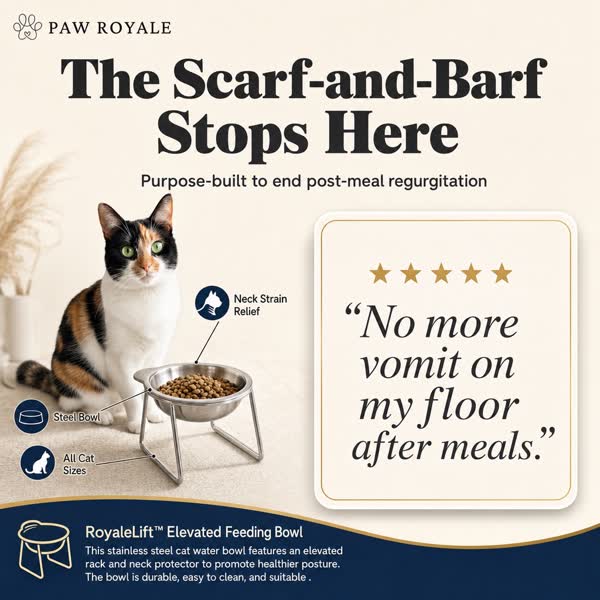
Static ads
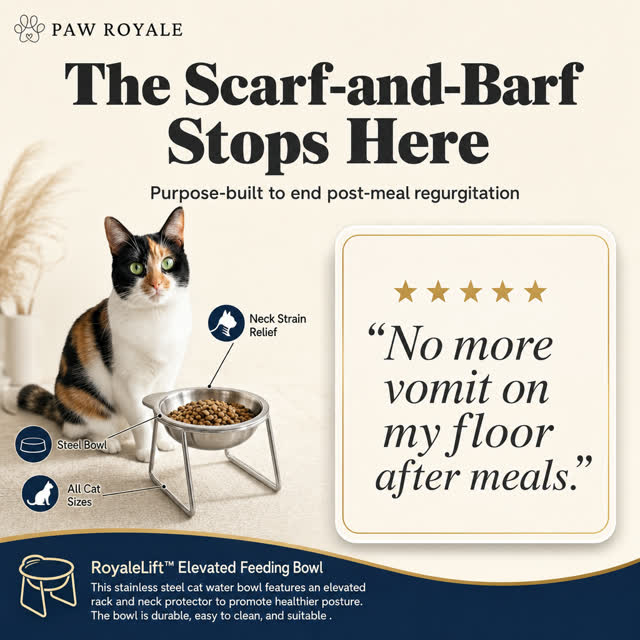
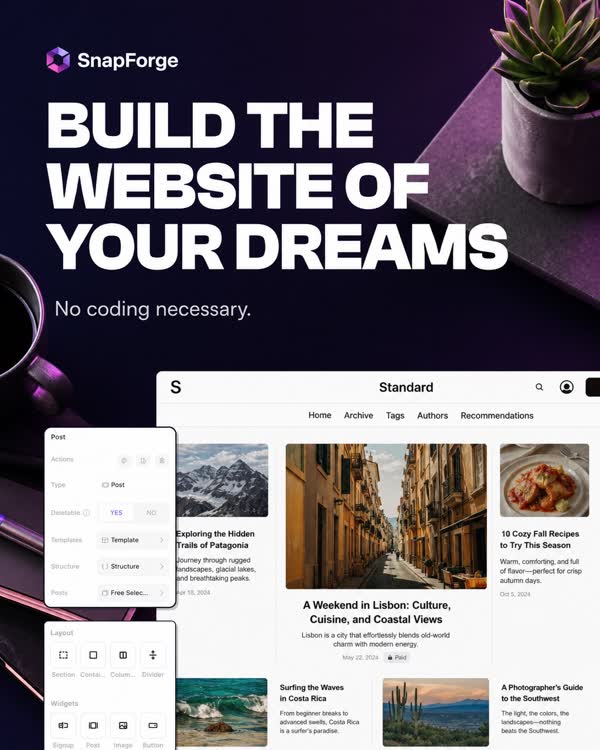
The headline is in the artwork.
Batch image ads with the headline composed into the picture, not pasted on top. Every placement size from the same persona research, brand colours respected, product never recoloured. Runs on GPT Image 2.








Native ads and long-form copy
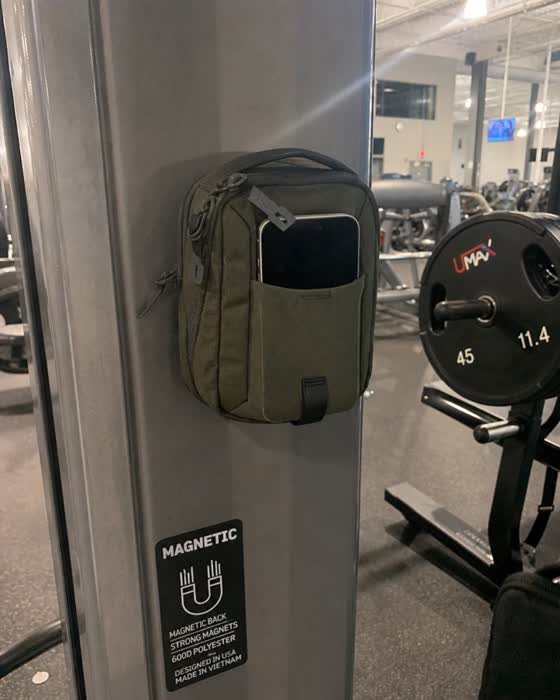
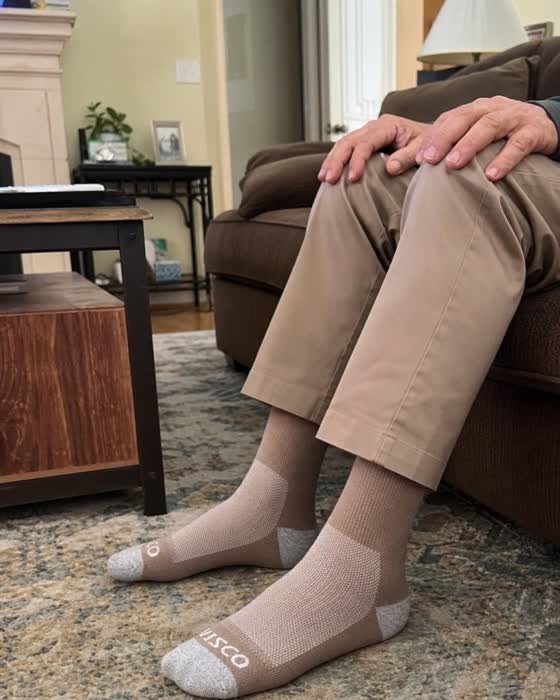
Native ads work.
Most brands haven't caught on.
An image that reads as an organic post, paired with long-form story copy people actually read. Scaling brands run native beside image and UGC ads. AlsterAds writes the story for the persona, in the buyer's researched language, and ships it with the image.


I wasn't going to post this, but my sister kept asking what changed. Six months ago I had honestly given up on fixing it. Then one comment buried in a thread sent me down a rabbit hole I did not expect to come out of.
Some context, because I think the context is the whole point. I wear the same watch every day. It was my grandfather's, it is not worth much, and I would not sell it for anything. The strap that came with it died a decade ago, and since then I have gone through, I counted last night, seven straps. Seven. Two of them were "genuine leather" from the market stall near my office, three were the kind you find at the bottom of a search page for nine dollars with four thousand reviews, one was a hand-me-down, and one I paid properly for and still lost within a year.
They all failed the same way. Not the leather, or not only the leather. The clip. That little spring bar and the clasp it snaps into. The strap would look fine, honestly it would look great, and then one morning I'd bend my wrist to pick up a coffee and feel the watch go loose. Sometimes it caught on my cuff. Twice it did not, and twice I spent twenty minutes on my hands and knees in a car park. If you have ever done that with something that was your grandfather's, you know the specific kind of sick feeling I mean.
So when I say I had given up, I mean I had decided that straps were a consumable. Like razor blades. Buy cheap, expect three weeks, keep a spare in the drawer. My sister thought this was insane, and she was right, but I could not see another option that did not involve spending more money on a thing I had already been burned by. The thing nobody tells you is that the last one lasted three weeks for a reason, and it was not me. I read every two-star review I could find before I ordered again, and the pattern was the same clasp, the same month, the same shrug from support.
That is what I actually want to talk about. The two-star reviews. If you only read the five-star reviews you learn nothing, because a strap is beautiful on day one. Everyone is happy on day one. The two-star reviews are the people who came back at week three, and I noticed that almost none of them complained about the look. They complained about the same two things: the clip, and what happened when they wrote to the company. Over and over. "Snapped in a month." "Support said normal wear." "Looks nice but will this snap in a month too, that's all I want to know." That last one was a review of a strap I nearly bought. I did not buy it.
The thread that changed things was not even about straps. It was a thread about a bag, of all things, and someone had written a long comment about how the failure point on anything you carry every day is never the material, it is the hardware, and that you should judge a product by its most boring component. Somebody replied with a photo of their strap, two years old, still fine, with a close-up of the clasp. Not a stock photo. A real, slightly blurry, kitchen-table photo with a mug in the corner. It turned out to be the same one my brother had been wearing for, he told me later, twenty-six months.
I want to be careful here because this is the part where these posts usually turn into an ad, and I promised myself it would not. So here are the boring specifics. The strap I ended up with is the everyday one, twenty millimetres, in the brown that is closer to tan than the pictures suggest. I paid full price, on a Tuesday, from my phone, and it arrived on the Thursday in a box that was, I will say it, nicer than it needed to be. The leather is stiffer than the cheap ones for the first week. That is not a complaint, it is just true, and if you like a strap to feel broken in on day one you will not like day one.
Before I ordered I did the thing I now do with everything: I wrote to support with a slightly stupid question. Not because I needed the answer, but to see how long it took and what the tone was. I asked whether the clasp could be replaced on its own. A person, with a name, replied in a few hours, said yes, told me how, and did not try to sell me anything. Compare that to the "normal wear" people. I am not saying support is the product. I am saying it is the second most boring component, and by then I had learned to judge things by their boring components.
What I actually cared about was the clip. The spring bars are the quick-release kind, the ones with the little tab, and they are thicker than any of the seven I had before. The clasp closes with a click you can hear across a quiet room. I know that sounds like nothing. It is not nothing. Every strap that failed on me had a clasp that closed with a sort of shrug.
I made a note in my phone the day it arrived, because I was fully expecting to write an angry follow-up at week three. Week three came and went. Then week six, which is when the second-cheapest one had died. Then the month mark, then two, then I stopped checking, which for me is the highest compliment I can pay an object.
Somewhere around month four I realised I had stopped thinking about it, which is a strange thing to notice about a strap. I had spent six years with a small background worry every time I lifted my arm, and it had simply gone. Nobody sells you that on a product page, and I am not sure they could.
So here is the one-year mark. Same one. Still fine.
I am not going to pretend it looks new. It doesn't. It has darkened around the holes and there is a lighter band where my cuff sits, and honestly I like it more now than I did in the box. The stitching is where it was. The clasp still clicks. I have not once had the watch go loose, not in a car park, not anywhere, and I have stopped carrying a spare in my bag, which I realise now I had been doing for six years without thinking about it.
A few things I would tell my six-months-ago self, in case you are him. One: stop reading five-star reviews. Read the two-star ones and look for the pattern. If the pattern is the hardware, walk away, no matter how good the leather looks. Two: if a company's response to "it snapped" is "normal wear", that is the review. That is the whole review. Three: a strap that costs four times as much and lasts twelve times as long is not expensive, it is just a different shape of the same money. I did the maths on the seven. It was not close.
Four, and this is the one I did not expect: the reason I finally believed it was not a brand, or a spec sheet, or a thirty-day guarantee. It was my brother's, two years old, on his wrist, at a barbecue, with a clasp I could see and pull on. That is the only reason I tried it in the first place, and it is why I am writing this now. Somebody's slightly blurry kitchen-table photo did more for me than every product page I had ever read.
A couple of honest caveats so nobody buys this on my word alone. If you have a very small wrist the tail is long and you will want the shorter size, which exists, I just did not know. If you want it soft on day one, it is not. And if you are the kind of person who swaps straps every week for fun, this is probably more strap than you need, and the quick release will matter more to you than the clasp does.
But if you are me, if you have a watch you would not sell and a drawer full of straps that failed the same way, and if you have honestly given up and decided that three weeks is just what a strap is, then no. It isn't. Here is the one-year mark, and I would have wanted to read this a year ago.
Edit: a few people asked which one. I have added it below. I do not get anything for this. My brother's is two years old now, which is the only reason I tried it in the first place, and I am writing this because I would have wanted to read it.
Also on every plan
And when you want to see
what is already working.
The market is one search away: live ads, the stores behind them, and the brands you track. On every plan, beside the research.
Ad discovery
See every ad your market runs, and which refuse to die.
Search live ads and filter hard: days running, format, niche, market. An ad still spending after ninety days is an ad that pays. Save it to a project, or clone the concept for your product.
- Live ads, indexed and growing daily
- Filter by run time, format and niche
- Save winners to a project, then clone them
Shop intelligence
See which stores are scaling.
Traffic estimates, live ad counts, and total ads for every store at a glance. Filter by platform or Shopify theme. Weekly Gems and Top Scaling surface the stores on the move.
- Traffic estimates and live ad counts
- Filter by platform or theme
- Weekly Gems and Top Scaling
Competitor tracker
Their entire strategy, exposed.
Track any brand and get the whole picture: live ads and ads launched, charted over time. Their tech stack and top landing pages. Their best ads by longest running and most duplicated.
- Live ads and launches, charted over time
- Tech stack and landing pages
- Best ads by longest running and most duplicated
Research meets proof
Start from a winner,
in your buyer's words.
Pair the research with concepts that already work. Save a winner from the library and clone its concept for your product, spoken to your persona. Or double down on your own best ad before it fatigues.
Clone & Remix
Save any winner from the library and clone its concept for your product. New presenter, new product, your brand, your persona's language. The winning formula survives.
- Pick a saved winner from the library
- The concept is analysed, shot by shot
- Rebuilt for your product and your persona
Double Down
Your best ad already proved what works. Spin it into fresh variations that amplify the exact concept that made it win, before it fatigues.
- Pick your own best-performing ad
- New hooks, scenes and presenters, same concept
- Every placement size, ready to test
Flows canvas
Ultimate freedom,
on an open canvas.
An open canvas of nodes: prompts, uploads, saved winners, personas, image and video generators. Wire them together and generate. Personas shape the on-image text and avatar scripts. Stitch multiple videos into one. Every canvas saves, and you can open as many as you need.
Personas shape image text and avatar scripts
Drag a persona onto a builder node and its words become the script and the on-image text.
Image, video, stitching
Render two takes, stitch them into one, add a voiceover, all on the board.
Edit and build on it anytime
Every canvas saves. Come back, swap a node, re-render only what changed. Open as many as you need.
What advertisers are saying
Built for people who ship ads for a living.
“The persona research pulled exact sentences off Reddit that I would never have written myself. We used one as a hook, word for word.”
 Priya S.Head of growth · Skincare DTC
“I pasted a product URL between two calls. Before the next one I had a full set: image, video, copy, every placement size.”
 Devon C.Ecom operator · Home & kitchen DTC
“It surfaced a buyer group we had never targeted in four years of running this brand, and nobody else is talking to them.”
 Karim H.Founder · Supplement DTC
Pricing
One subscription.
Credits for what you make.
Research, tracking and the ad library are on every plan. Credits pay for generation and roll over, up to one month's allowance.
- 25 tracked brands
- 1 project, unlimited products
- Single talking clips and product b-roll
- 100 tracked brands
- 10 projects, unlimited products
- Premium video: multi-shot, podcast, cinematic
- 250 tracked brands
- Unlimited projects
- Premium video: multi-shot, podcast, cinematic
Billed monthly in US dollars. Cancel anytime; downgrades take effect at the next renewal. Need more in a month? A 750-credit pack is $59, on any plan. Compare plans in full →
Questions
Fair questions,
straight answers.
Isn't this just another AI video generator?
Do I have to write or direct anything?
Where does the research come from?
What does a run actually cost?
Can I try it without a plan?
Can I cancel, or change plans?
Start here
Your buyers already said it.
Go find where.
Paste your brand's URL, read your buyers in their own words, and have the first ad on screen this afternoon.
From $59/mo · cancel anytime